


Portugal Tiny Living Blog
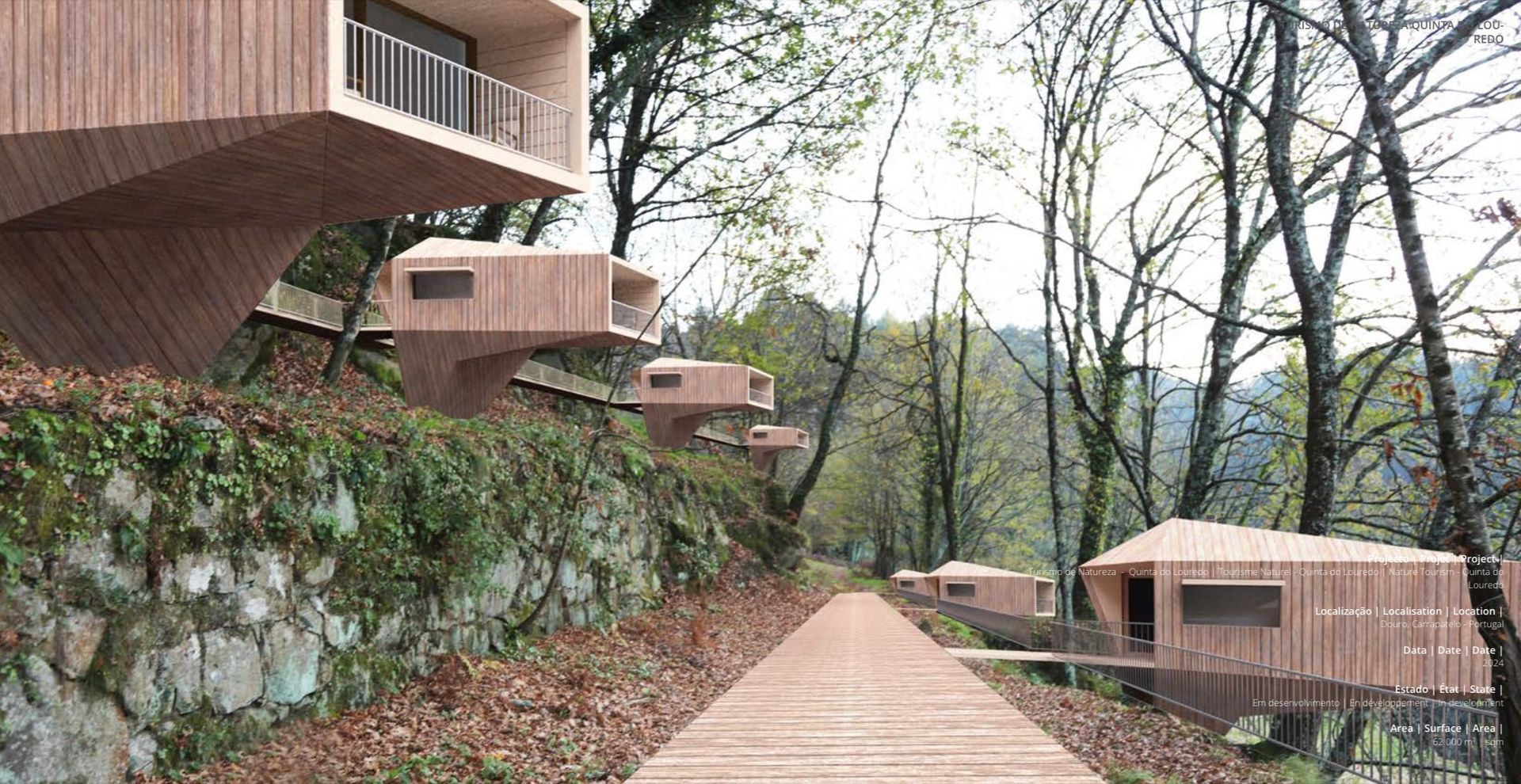
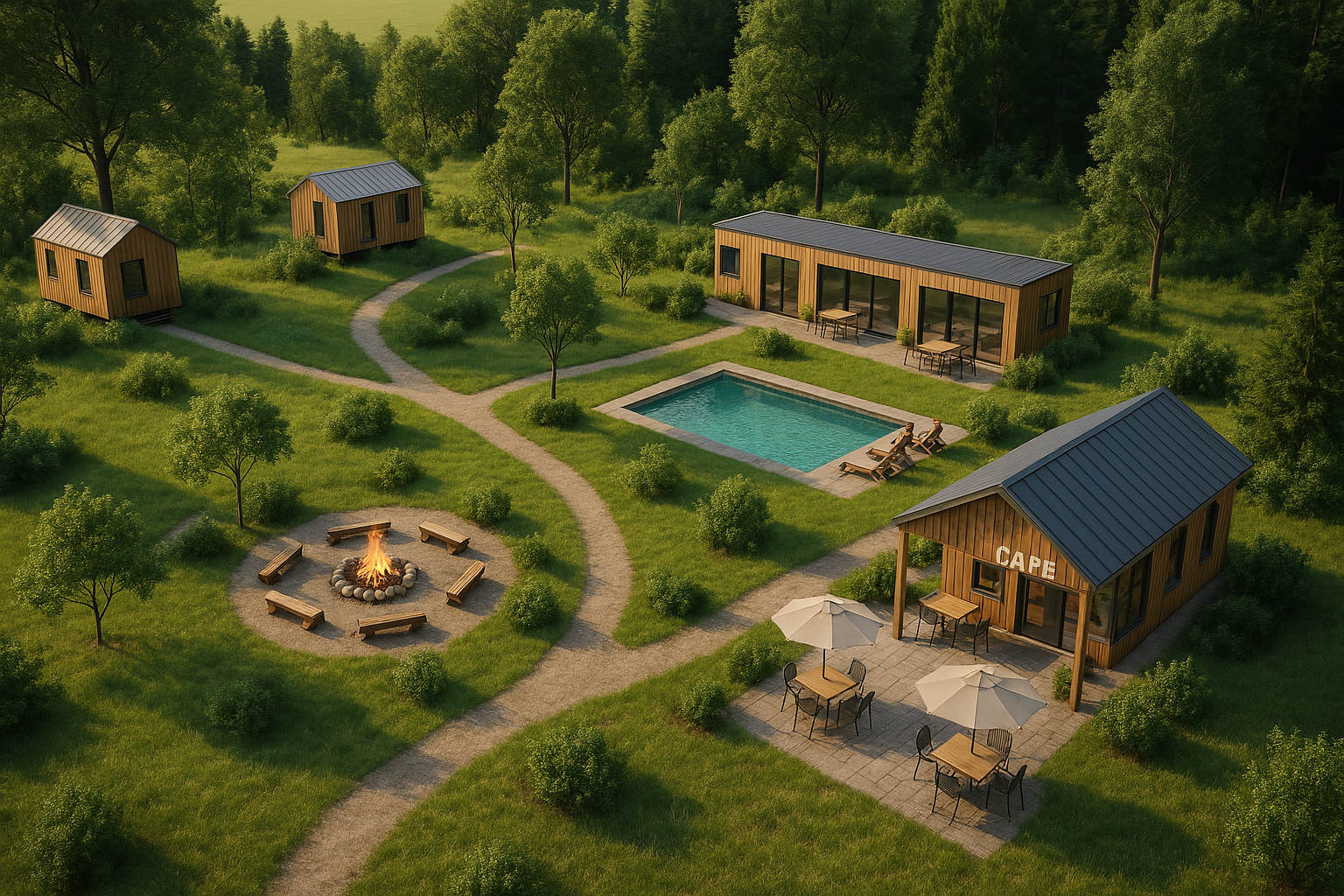
Portugal has quietly become one of Europe’s top destinations for wellness and nature-based retreats. Between its relaxed pace, sunny climate, and natural lifestyle, it’s the ideal place to create a retreat sanctuary. Whether you want to start hosting your own retreats or invite retreat leaders to host their retreats at your venue, transforming your dream into a functioning retreat venue takes vision, planning, and the right local partners. Let’s walk through what it takes to start a retreat in Portugal: choosing land and legal steps to design choices, accommodation construction, wellness features and the role of a local project manager who can help avoid common pitfalls and can guide local contractors in Portuguese. Start With a Clear Concept Before buying land or designing anything, you need clarity on what kind of retreat venue you want to create. The retreat concept determines type of retreats you can host and will guide every design choice and budgeting decision. Maybe you are dreaming of a silent retreat focused on meditation, where guests disconnect from the noise of modern life. Or perhaps you want a digital nomad retreat, combining coliving comfort with coworking spaces and high-speed internet for remote professionals. Others might prefer a permaculture retreat, where guests learn about regenerative agriculture and reconnect with the earth. Each concept comes with its own spatial logic, rhythm, and materials. The best retreats are the ones where the architecture and landscape embody the experience itself. Take for example the principles of biophilic design, which connects people with nature through natural building materials, plants, organic shapes, natural light, etc. (see also Olivistic ). Finding Land Portugal offers a variety of settings: lush green valleys in the North and Center, sun-baked plains in the Alentejo and coastal cliffs in the Algarve. Keep in mind the different climates as you think through the retreat venue’s seasonality. Before purchasing any property, visit the Câmara Municipal (Town Hall) to understand what the PDM (Plano Diretor Municipal) allows on it. Some rural areas permit eco-tourism or agro-tourism developments, while others are restricted to agricultural use. If you plan to install tiny houses or modular cabins, some municipalities will classify them as mobile units (THOWs), while others treat them as permanent dwellings. The difference affects your permitting and taxation. Early conversations with the local authorities - ideally led by a Portuguese architect and / or lawyer - can save you months of uncertainty. At Boxcode our clients can get access to our vetted network of architects and lawyers. See more on the legalities in our blog article Tiny House Living in Portugal: What’s Legal in 2025? . Local Architect and Master Plan Hiring a local architect who understands the region’s laws and materials is essential. They will also help you create a Master Plan - the overall layout of your retreat. A Master Plan is an enriched map of your entire vision. It shows where each building, pathway, water system, and guest area will go, and how people will move through the terrain. It ensures harmony between function and experience - that your yoga shala faces the sunrise, your dining area catches the evening breeze, and your cabins are oriented for privacy. It also ensures your infrastructure - water, solar panels, septic system - is properly sized from the beginning. The Master Plan is part of your roadmap for both permits and phasing: you can start small with a few cabins and communal spaces, then expand as your bookings grow. In most cases the future expansion must already be permitted right from the start. Why You Need a Local Project Manager Even with a good architect, you will need someone who knows how things get done in Portugal. A local project manager - ideally Portuguese, fluent in the language, and experienced with rural bureaucracy - is worth their weight in gold. This person is your on-the-ground fixer. They know how to deal with municipal offices, find reliable contractors, and ensure your project doesn’t stall in paperwork limbo. They can help you identify good terrain, negotiate with sellers, and coordinate trusted suppliers for each category - architects, natural pool builders, yoga shala carpenters, sauna and ice bath installers, and renewable energy experts. Boxcode offers this custom local project management and supplier network - a shortcut to avoid costly trial and error. We are the kind of partner who picks up the phone to deal with authorities, knows the engineer by name, and keeps your project moving forward when you are abroad. Building Accommodation Units for a Retreat Venue in Portugal Your accommodation style will define your timeline, guest experience, and budget. Natural Building (Cob, Straw, or Hemp Blocks) These organic techniques use local earth and fibers, reducing costs and carbon footprint. You can even host volunteer building workshops - turning your construction phase into a community event. Cob and straw buildings blend beautifully with the Portuguese landscape and create a soft, grounding feel. However, they require dry weather and skilled oversight to avoid structural issues. Natural building is popular for its sustainability profile and its affordability. Another payoff is authenticity: guests feel the connection with the region’s history and the natural cycles of the land. Tiny Houses (Factory-Built, Modular Units) If you value speed and flexibility, factory-built tiny houses are ideal. Delivered ready-to-use, they require only site leveling and plugging into water and power. They minimize on-site construction and allow you to scale up gradually - start with a few units and add more as demand grows. Tiny houses are also predictable in cost and timeline - perfect for retreats that want to open in 6-12 months or less, focusing on experience design rather than construction headaches. Hybrid Construction (CLT / Concrete) Villas Combining concrete with Cross-Laminated Timber (CLT) creates durable, luxurious spaces that still feel natural. This hybrid construction is up to 66% faster than traditional construction. It suits high-end retreats and mixed hospitality projects, creating long-term value and an architectural aesthetic that attracts premium guests. See also Regen Villas. Timeline and Budgeting Calculate time for finding a plot of land, getting the permits and designing the retreat venue. A smart approach is to start small and grow sustainably. Many retreat founders launch with a few accommodation units, a yoga shala, and a shared kitchen, then expand once occupancy is proven. A tiny house retreat can open within 8–10 months of land purchase, while a natural building project might take a full year. Hybrid builds can stretch to 18 months but offer unmatched longevity and comfort. Starting a retreat venue in Portugal typically combines several cost layers: land purchase and legal fees, architectural design, utilities setup (water, solar, septic), accommodation units, landscaping, furniture, marketing and other costs. Add six months of operating capital - enough to carry you through your first low season. Once occupancy reaches 50–60%, your venue can become self-sustaining. See also our blog on tiny house financing in Portugal . Create a retreat venue in Portugal Starting a retreat venue in Portugal is not just a construction project - it’s a living ecosystem of architecture, landscape, and experience. The key ingredients are: A clear concept and authentic story. A local architect who can deal with permits and create a cohesive Master Plan. A Portuguese project manager who knows how to make things happen on the ground. Accommodation and infrastructure that fit your timeline and philosophy. A natural pool and wellness features that align with your guests’ health journey. A biophilic design approach that brings people closer to nature. If you combine these with patience and good planning, your retreat will become more than a destination - it will be a sanctuary. And if you’re looking for a local partner who has already vetted the best suppliers, architects, and builders for eco-retreats in Portugal, get in touch with our consultants for a discovery call. Boxcode offers a complete project management and accommodation solution, helping you turn your vision into a serene, sustainable reality.
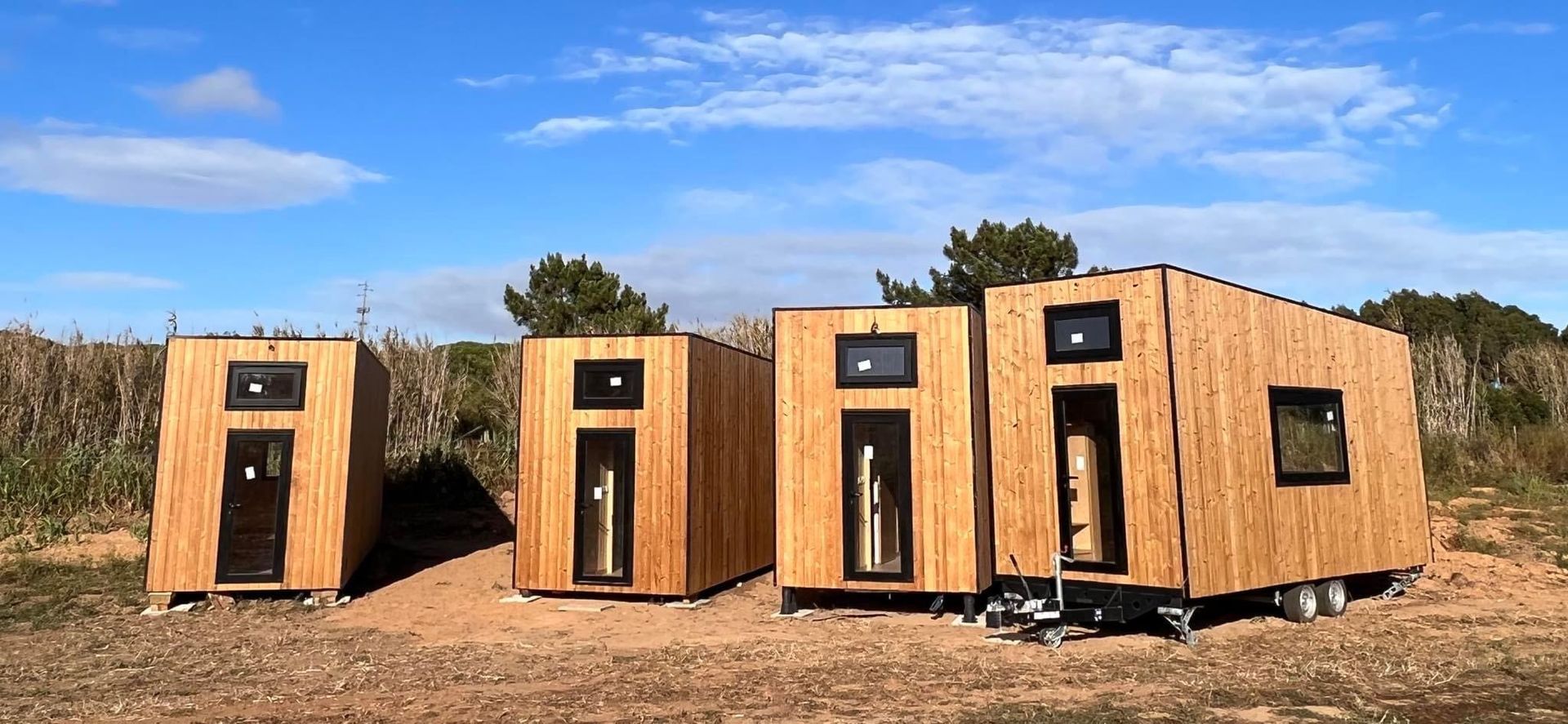
Thinking about living in a tiny house in Portugal?
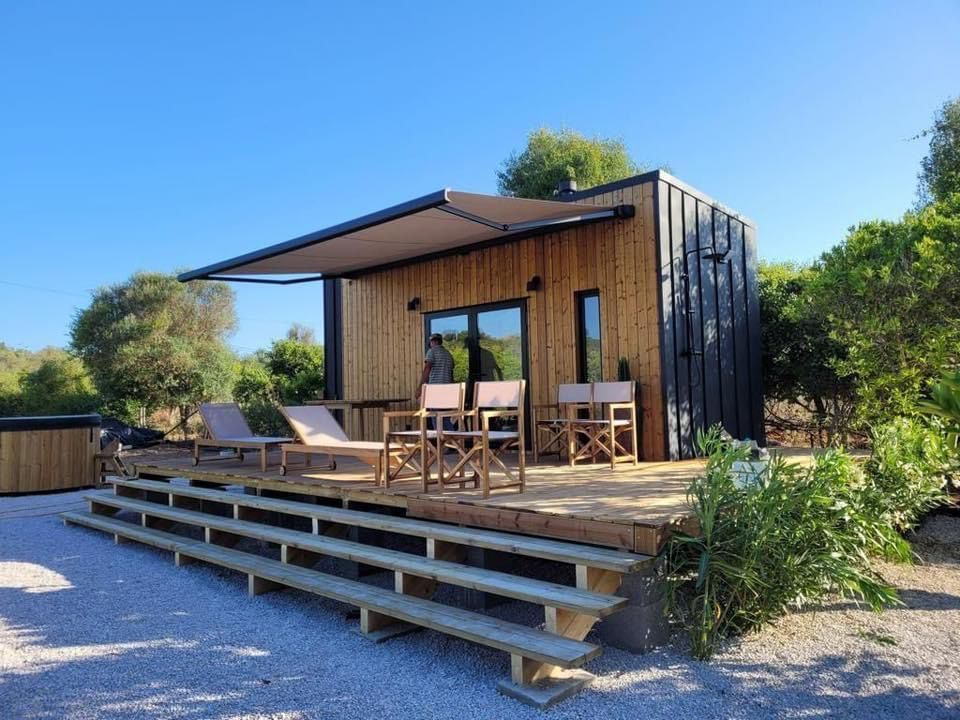
In today’s fast-paced world, burnout has become a common strug gle. Long work hours, financial stress, and an overwhelming amount of responsibilities leave many people feeling mentally and physically drained. But what if the key to a more balanced, stress-free life is simply downsizing? Living in a tiny house might just be the ultimate burnout prevention strategy. Here’s why: 1. Less Clutter, Less Stress A cluttered space often leads to a cluttered mind. In a tiny home, there’s no room for unnecessary junk, which means everything you own has a purpose. The simplicity of a minimalist lifestyle can reduce decision fatigue, giving you more mental energy for things that truly matter. 2. Lower Financial Pressure Financial stress is one of the biggest contributors to burnout. Mortgages, high rent, and utility bills can keep people stuck in a cycle of overworking just to make ends meet. A tiny house significantly cuts down on expenses—lower mortgage (or no mortgage at all!), lower utility bills, and minimal maintenance costs. This financial freedom allows for more time to rest, explore hobbies, or even shift to a less demanding job. 3. More Time for What Matters Less space means less time spent on cleaning, organizing, and maintaining a large home. With those responsibilities minimized, tiny house dwellers gain precious time to focus on self-care, relationships, and experiences. Whether it’s pursuing a passion project, enjoying nature, or simply relaxing, tiny living encourages a slower, more intentional lifestyle. 4. Connection with Nature Many tiny homes are built in beautiful, serene locations—whether it’s a forest, by the beach, or in the mountains. Living closer to nature has been proven to lower stress levels, improve mood, and boost overall well-being. Instead of being stuck in traffic or confined to an office all day, you can step outside and breathe in the fresh air, instantly relieving tension. 5. Encourages a Healthier Work-Life Balance A smaller living space naturally forces you to prioritize what truly matters. Without the distractions of excessive material possessions or the pressure of high living costs, many tiny house dwellers find themselves working less and living more. Whether it’s remote work, part-time jobs, or entrepreneurship, tiny living often opens doors to a more flexible and fulfilling work-life balance. 6. Sense of Community Many people who embrace the tiny house lifestyle become part of a like-minded community that values simplicity, sustainability, and intentional living. These supportive networks help prevent isolation and offer a sense of belonging, which is crucial for mental well-being. 7. Freedom and Flexibility A tiny home often means mobility. Whether you have a tiny house on wheels or simply a small, low-maintenance dwelling, the ability to move freely without being tied to a heavy mortgage or lease provides a sense of freedom. This flexibility allows you to live where you feel happiest, change your surroundings when needed, and embrace a lifestyle that prioritizes well-being over material gain. Is Tiny Living Right for You? While tiny house living isn’t for everyone, it’s an excellent option for those looking to escape the hustle culture and regain control over their time, finances, and overall well-being. If burnout has been weighing you down, perhaps it’s time to consider simplifying your space—and in turn, simplifying your life. Could a tiny home be the key to your stress-free future? Let us know!